
Natural Product Discovery and Biosynthesis
We use genome mining to discover novel natural products from bacteria, understand how they are made in nature, and how they can be utilized and engineered for human health.
Recent Related Publications

Wei, X.; Ning, W.; et al. Exploring and expanding the natural chemical space of bacterial diterpenes. Nat. Commun. 2025, 16, 3721.
Go to article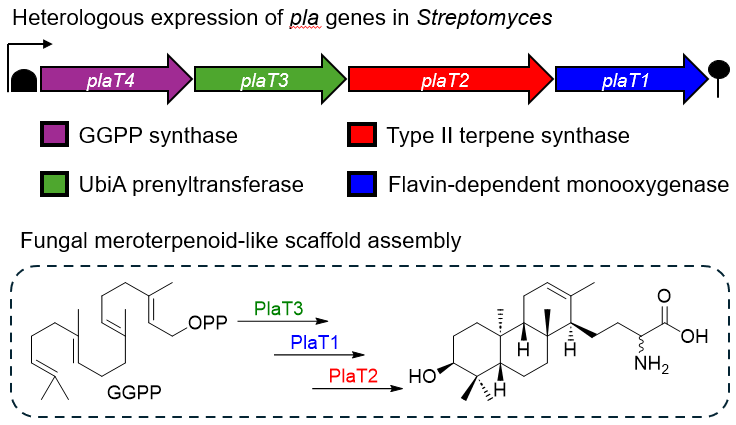
Alsup, T. A.; et al. Early-stage biosynthesis of phenalinolactone diterpenoids involves sequential prenylation, epoxidation, and cyclization. RSC Chem. Biol. 2024, 5, 1010–1016.
Go to article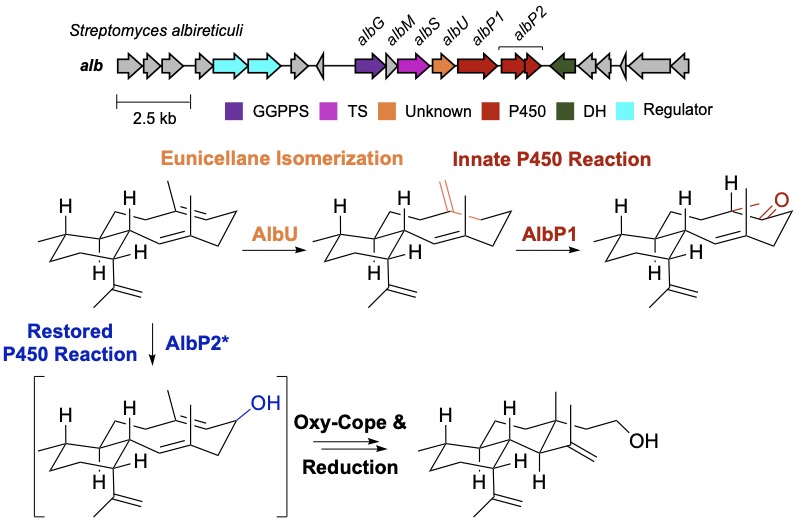
Li, Z.; et al. Cryptic isomerization in diterpene biosynthesis and the restoration of an evolutionarily defunct P450. J. Am. Chem. Soc. 2023, 145, 22361–22365.
Go to articleMechanistic Enzymology
The biosynthesis of natural products requires powerful enzymes with exquisite control. We focus on revealing the mechanisms of two families of terpenoid biosynthetic enzymes: terpene synthases and cytochromes P450.
Recent Related Publications

Wei, X.; et al. Avoidance of secondary carbocations, unusual deprotonation, and non-statistical dynamic effects in the cyclization mechanism of the 5/5/5/5-tetracyclic tetraisoquinane skeleton. J. Am. Chem. Soc. 2025, 147, 16293–16300.
Go to article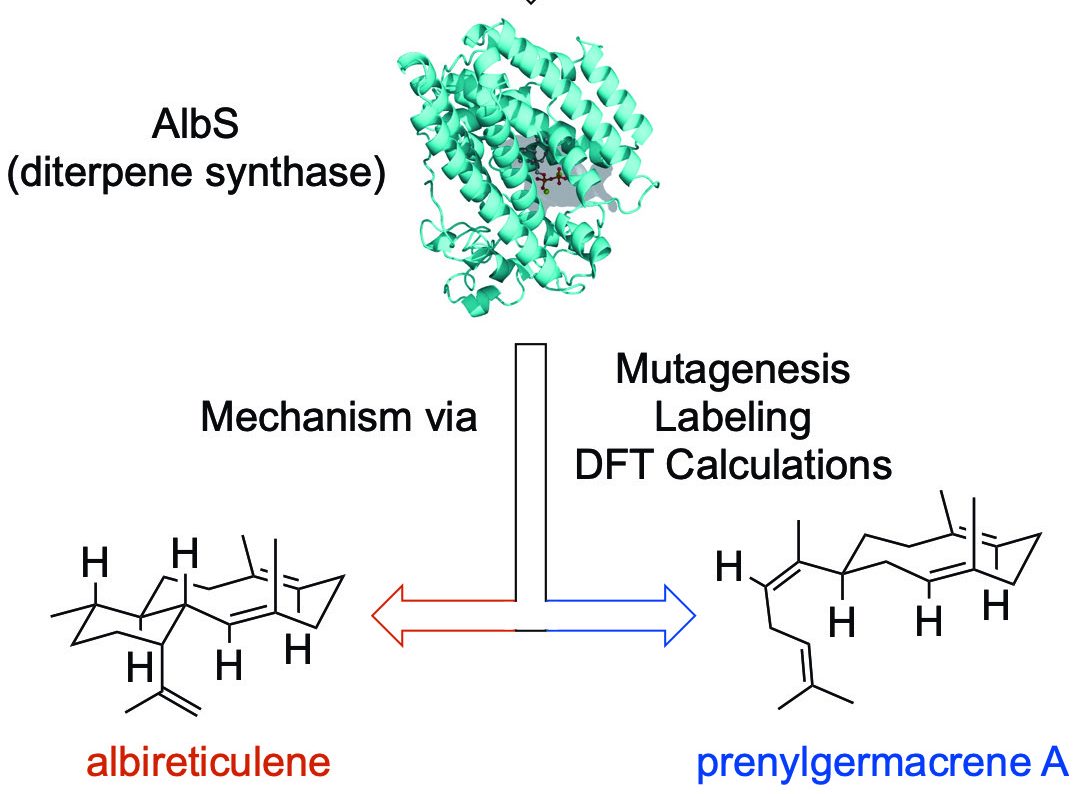
Li, Z.; et al. First trans-eunicellane terpene synthase in bacteria. Chem 2023, 9, 698–708.
Go to article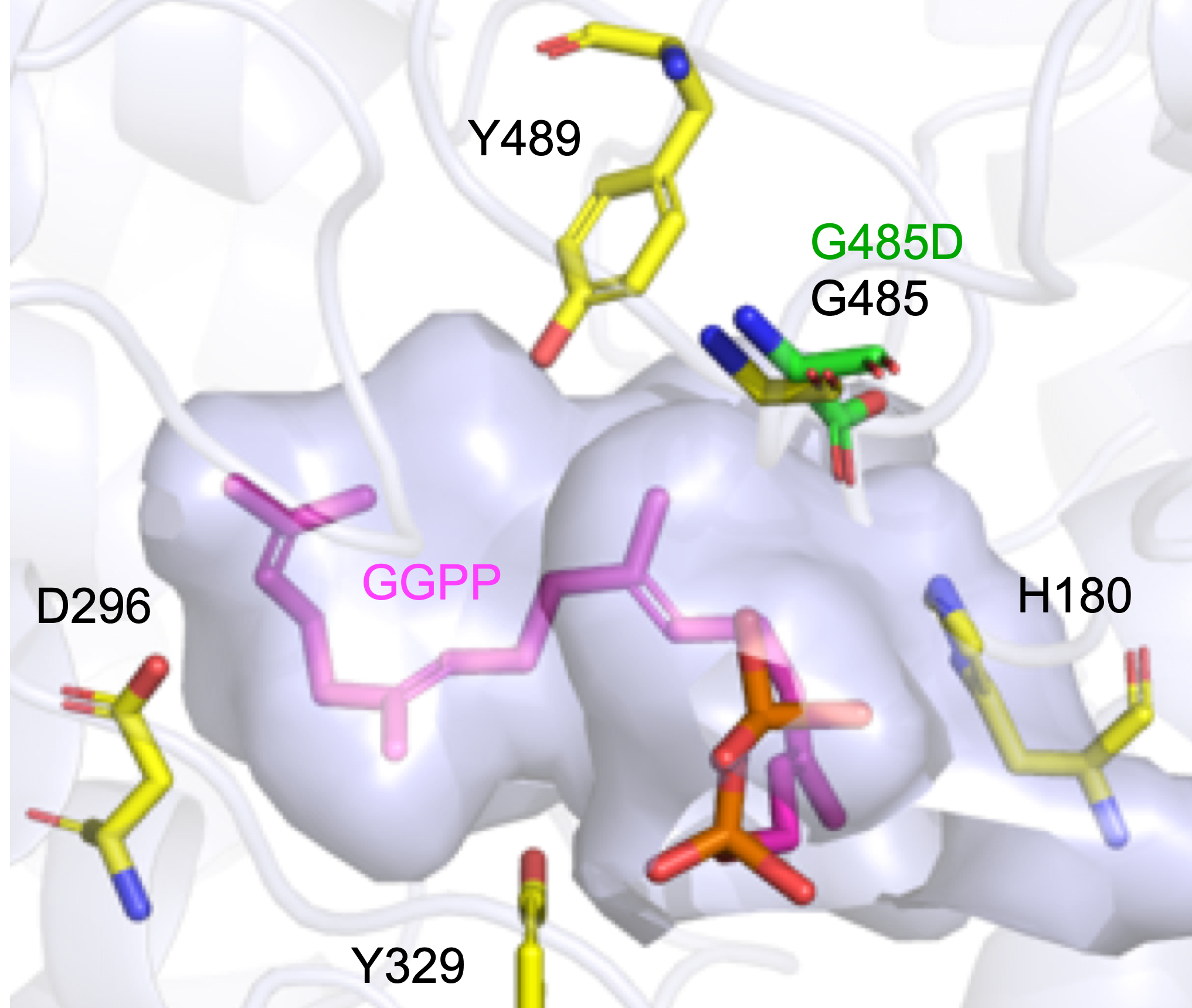
Stowell, E. A.; et al. Structure-guided product determination of the bacterial type II diterpene synthase Tpn2. Commun. Chem. 2022, 5, 146.
Go to articleBiocatalysis
Once we understand how enzymes work, we develop them into biocatalysts, providing simpler and greener routes to commercially relevant materials.
Learn MoreRecent Related Publications
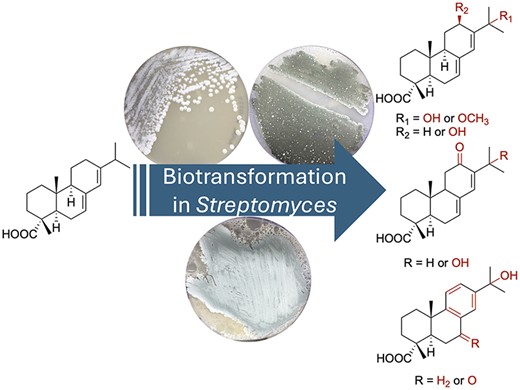
McCadden, C. A.; et al. Biocatalytic diversification of abietic acid in Streptomyces. J. Ind. Microbial. Biotechnol. 2025, 52, kuaf003.
Go to article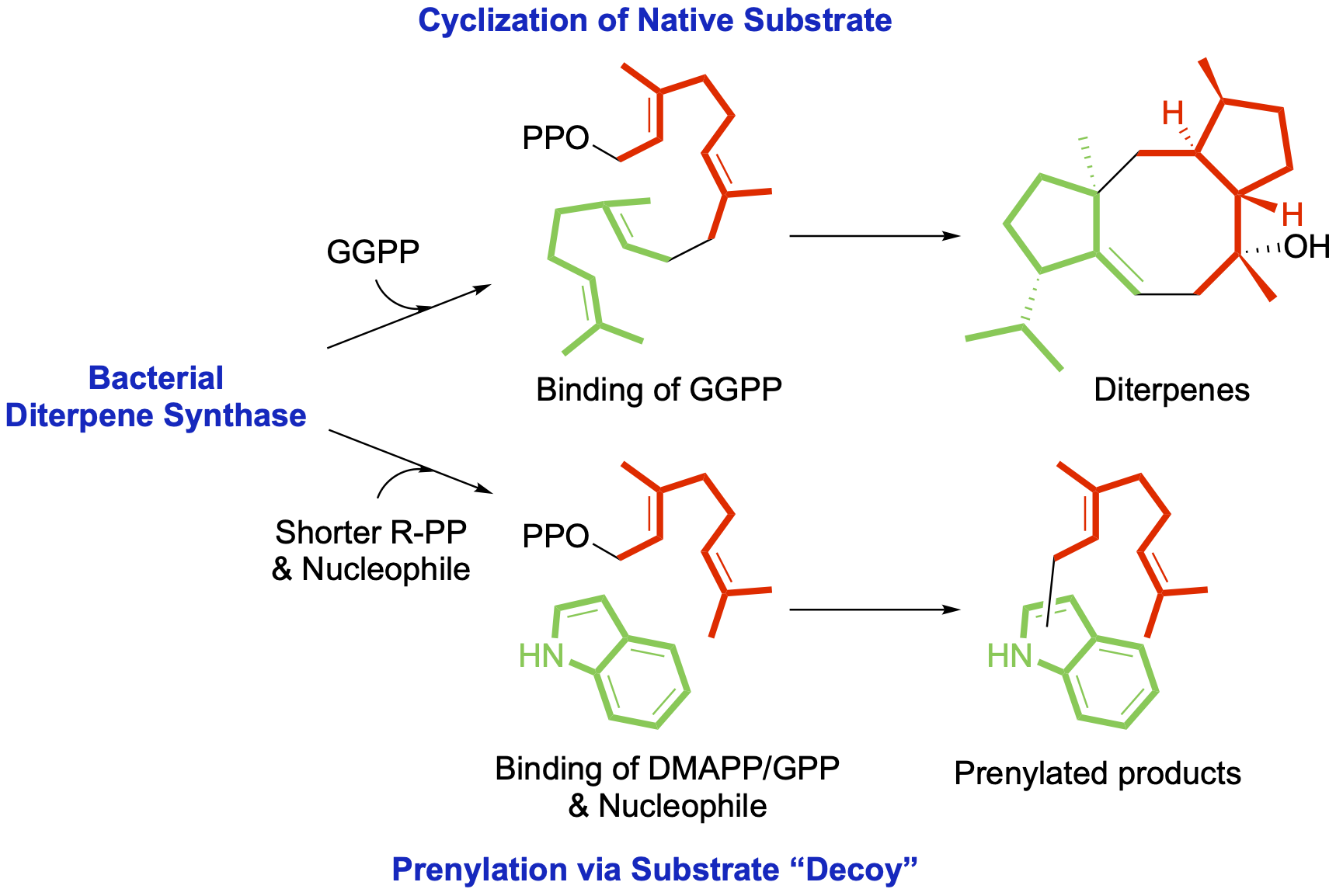
Xu, B.; et al. Mutation of the eunicellane synthase Bnd4 alters its product profile and expands its prenylation ability. Org. Biomol. Chem. 2022, 20, 8833–8837.
Go to articleFun Collaborations
Science is always most fun with friends! Combining knowledge, skills, and viewpoints often leads to a deeper understanding of the science and the most impactful findings.
Recent Related Publications
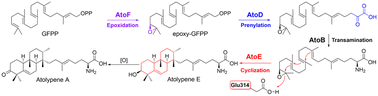
Wang, Z.; et al. Biosynthesis of a bacterial meroterpenoid reveals a non-canonical class II meroterpenoid cyclase. Chem. Sci. 2025, 16, 310–317.
Go to article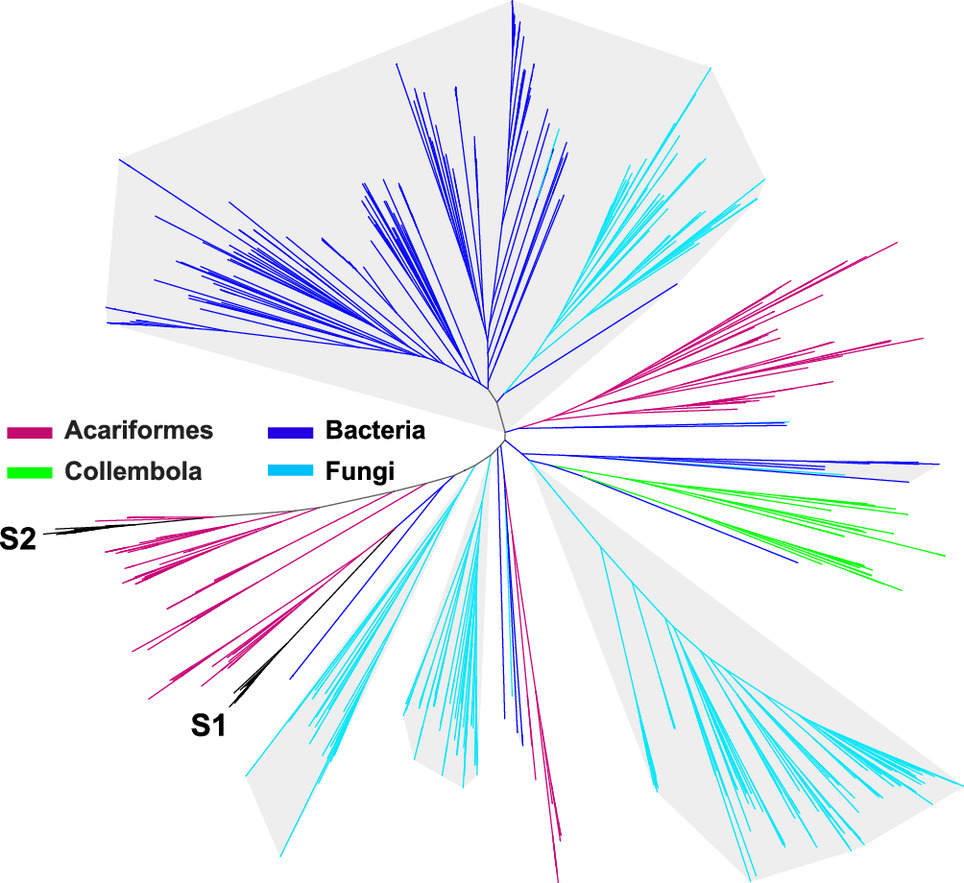
Chen, X.; et al. Canonical terpene synthases in arthropods: Intraphylum gene transfer. Proc. Natl. Acad. Sci. 2024, 121, e2413007121.
Go to article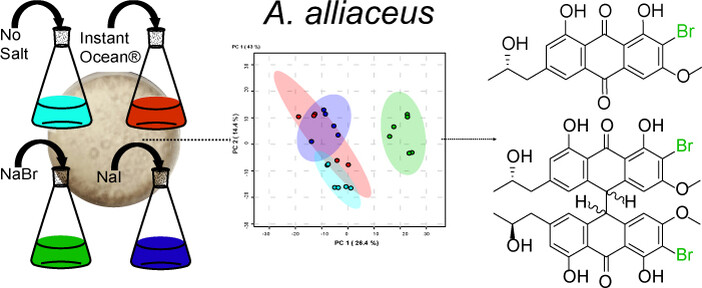
Mandelare, P. E.; et al. Chemical diversity of Aspergillus alliaceus phenotypes: discovery of brominated bianthrones with activity against triple-negative breast cancer cell lines. ChemBioChem. 2024, 25, e202400398.
Go to article